
Where this began
What my father hoped to share
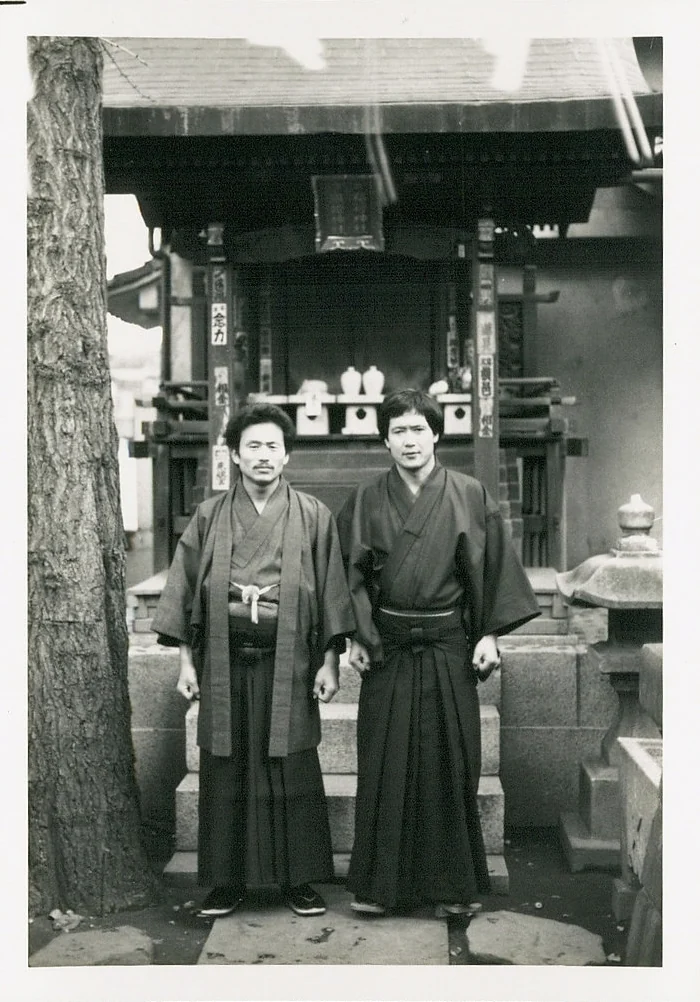
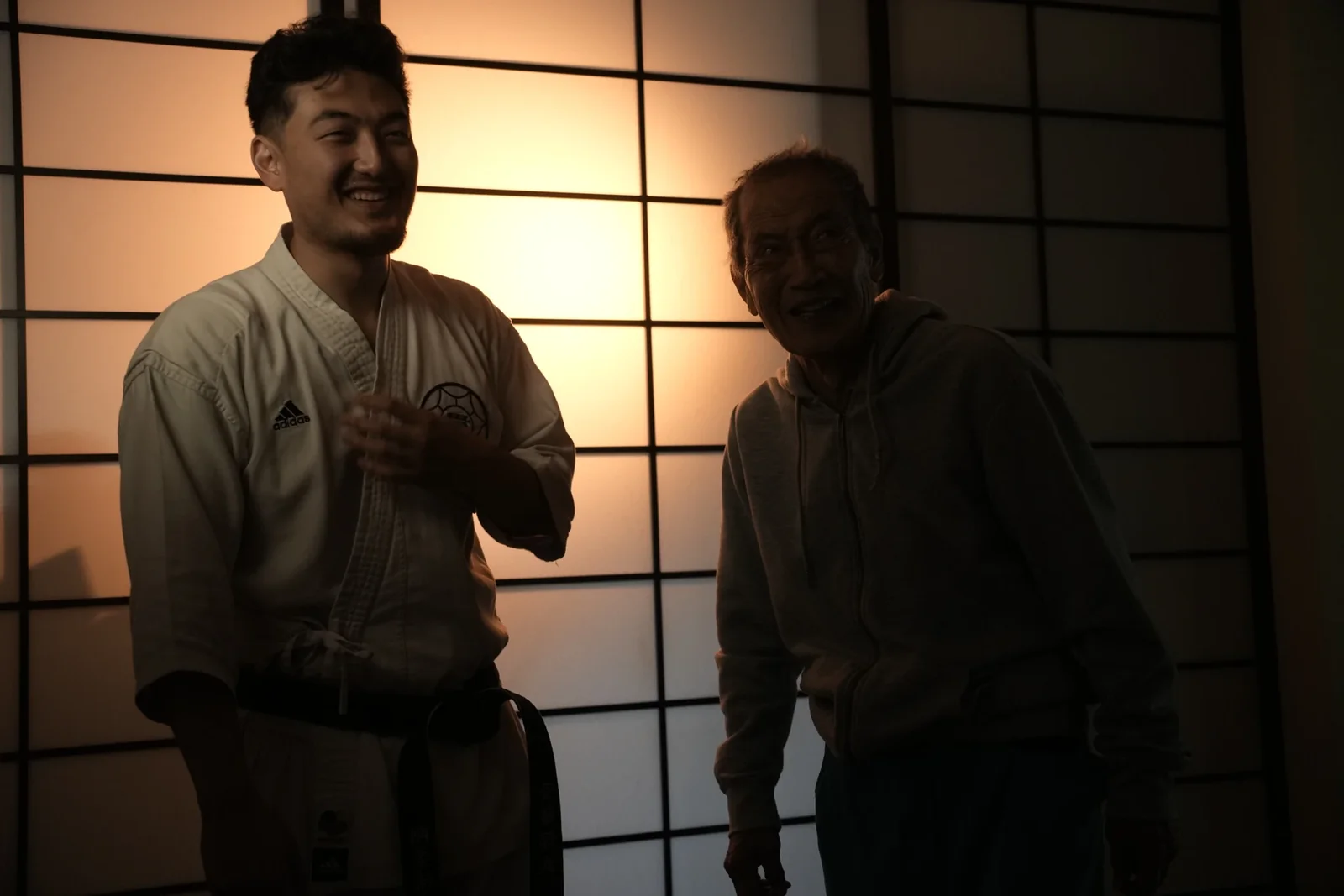
My father, Rev. Washo Saito, wanted more people to have access to Buddhist practice. Martial arts shaped his life and his sense of what people can develop through repetition: discipline, endurance, resilience, and the willingness to stay present when something is hard.
His wish to give people a place to practise, and his commitment to keeping at it, are still part of Seizanji.
It gave me a starting point. I have also had to ask how those strengths can serve people in relationships, responsibility, sorrow, and uncertainty.
My father’s path connected martial arts with Shingon Buddhist practice and training associated with Mount Kōya in Japan. The temple and the dojo are parts of that inheritance, with distinct histories.
How my approach has changed
I have come to place greater emphasis on compassion, especially the compassion we may struggle to offer ourselves. I still value discipline, but I also ask whether the way we speak to ourselves helps us meet life with honesty and care.
I believe we can practise gratitude without covering over pain. We can acknowledge anger, fear, or sadness without handing every decision to it. We can also notice learned ideas about who we must be, rather than treating them as the whole truth. For me, observing means taking another look at what is happening, rather than assuming my first reaction tells the whole story.
Dainichi Nyorai is central to Shingon: awakened wisdom expressed throughout existence. My emphasis on presence is an accessible beginning, not the whole of that teaching. Body, speech and mind—and the compassion we bring to others—remain part of the Buddhist foundation.
Caring for my father
Learning through caring for my father
When it became my turn to care for my father, these questions stopped being abstract. The responsibility asked something of my patience, my assumptions, and my ability to stay present in a relationship that mattered deeply.
I do not tell this story as someone who has mastered it. I have found myself needing the same pause, reflection, and compassion that I invite others to explore. Care can be demanding, tender, frustrating, and meaningful, sometimes all at once.
That experience is part of why I value a temple community where people can speak honestly and practise meeting difficulty with care.
Getting to know your guide
A clear and honest foundation
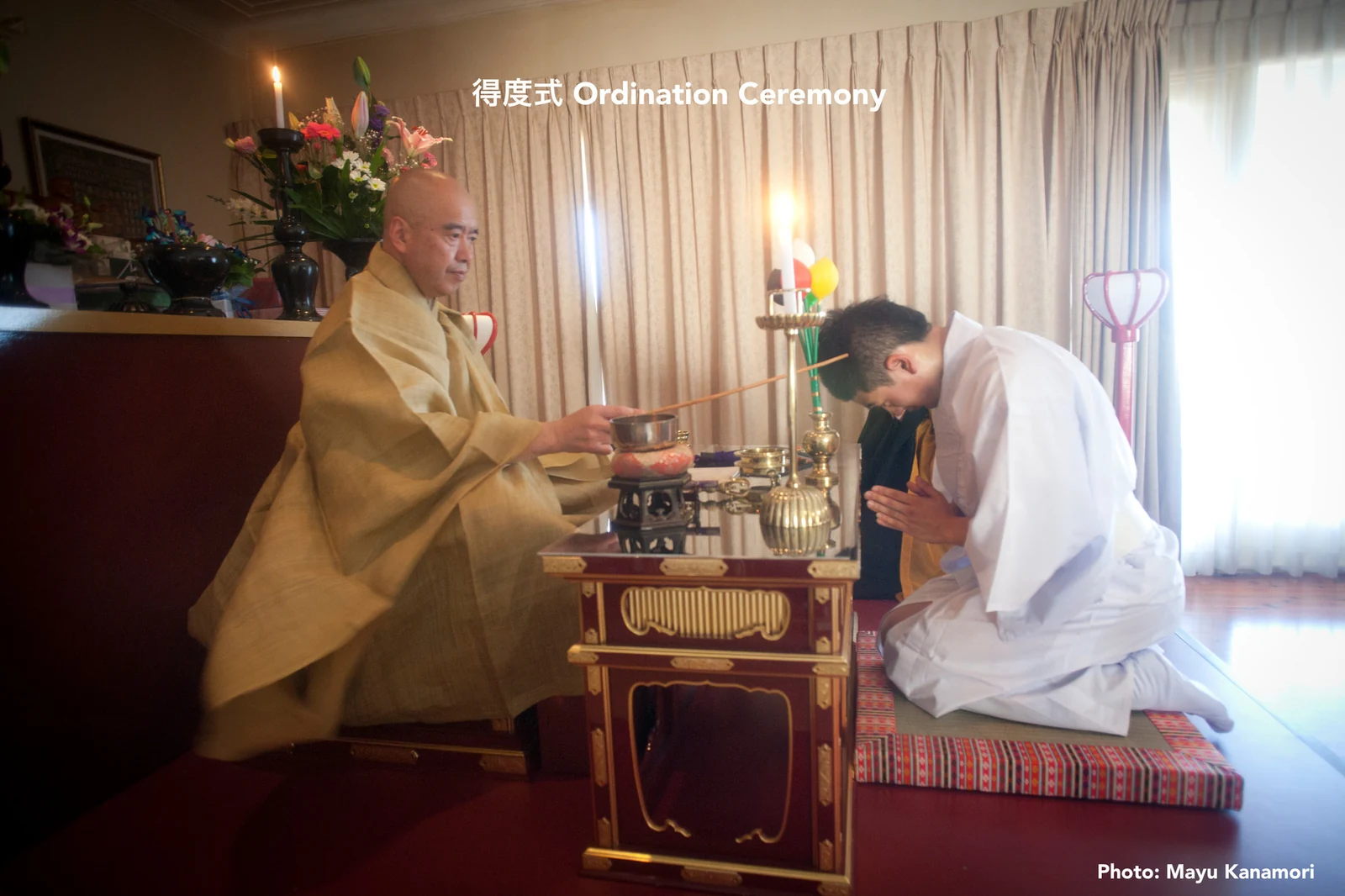
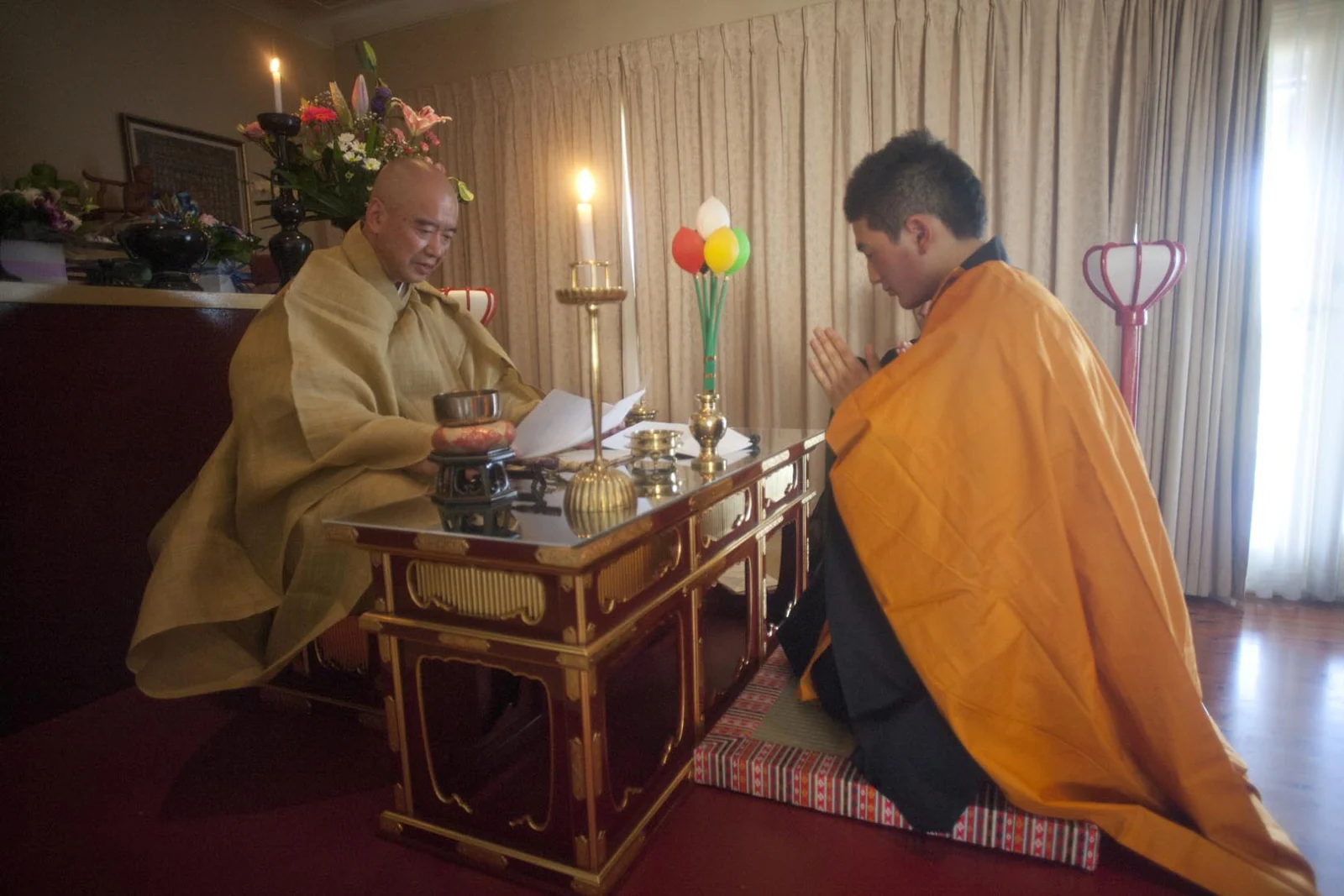
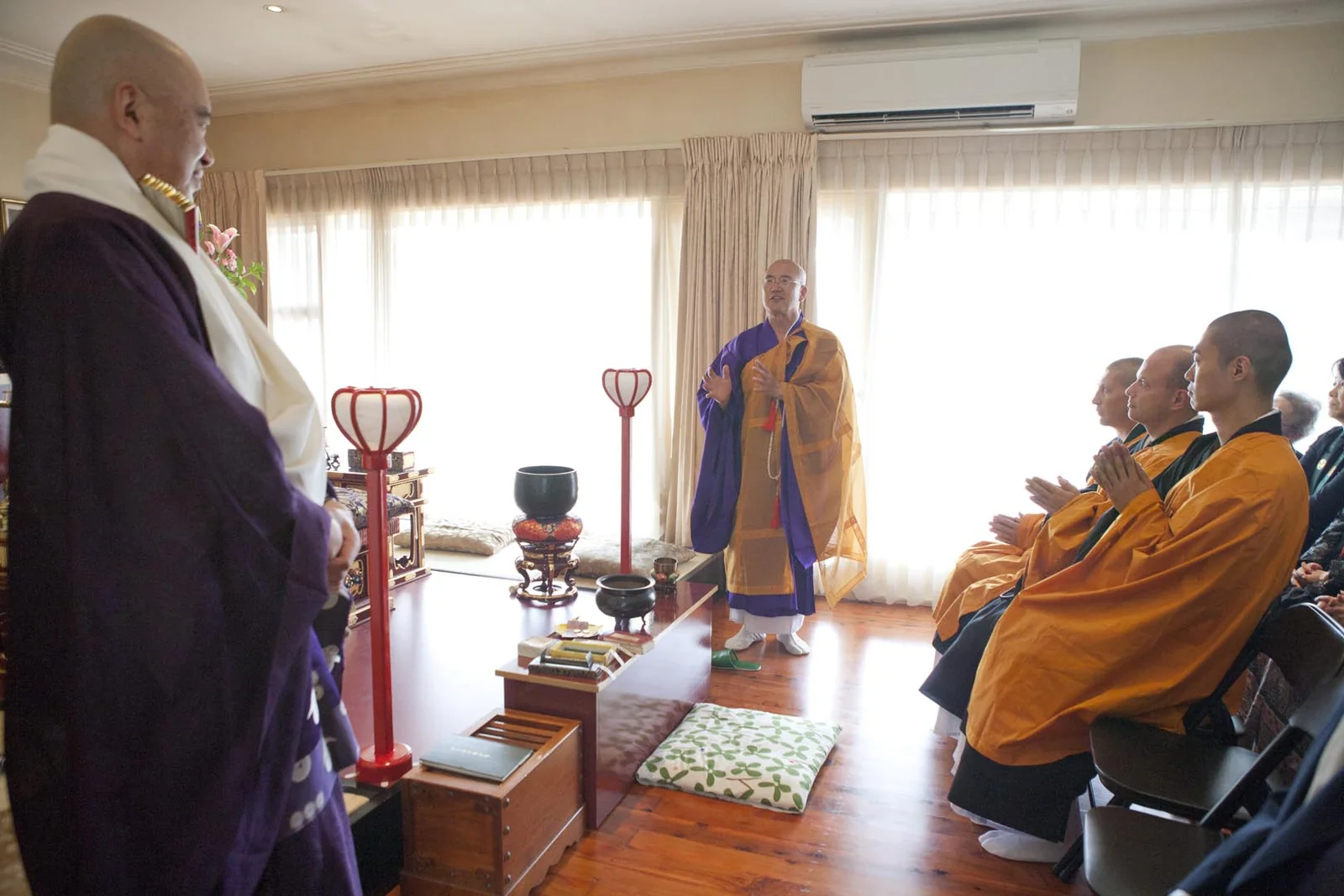
Seizanji is a Shingon Buddhist temple in Middle Cove, Sydney. Traditional Buddhist practice is its foundation. My role is to help make a respectful entry possible through guided meditation, conversation, and a relationship where you can ask questions openly.
I was ordained in 2014. I have not undertaken formal monastic training. My emphasis is guided meditation, discussion, and bringing Buddhist principles into daily life.
Seizanji no longer offers blessings such as Kaji-kitō. My father no longer conducts them, and I have not trained to perform them.
You do not need years of study, spiritual confidence, or an ability to endure hardship before contacting Seizanji. You do need a willingness to learn, to respect the setting and other people, and to try a practice with some sincerity.
I also teach in a Sydney high school and coach martial arts. Those relationships continue to shape how I listen, explain and guide practice.
Explore guided meditation2026 Seizanji Temple Harrison Saito interview with ONENESSs studio
In this interview, Harrison shares how caring for his father changed his relationship with Buddhism, compassion and himself.
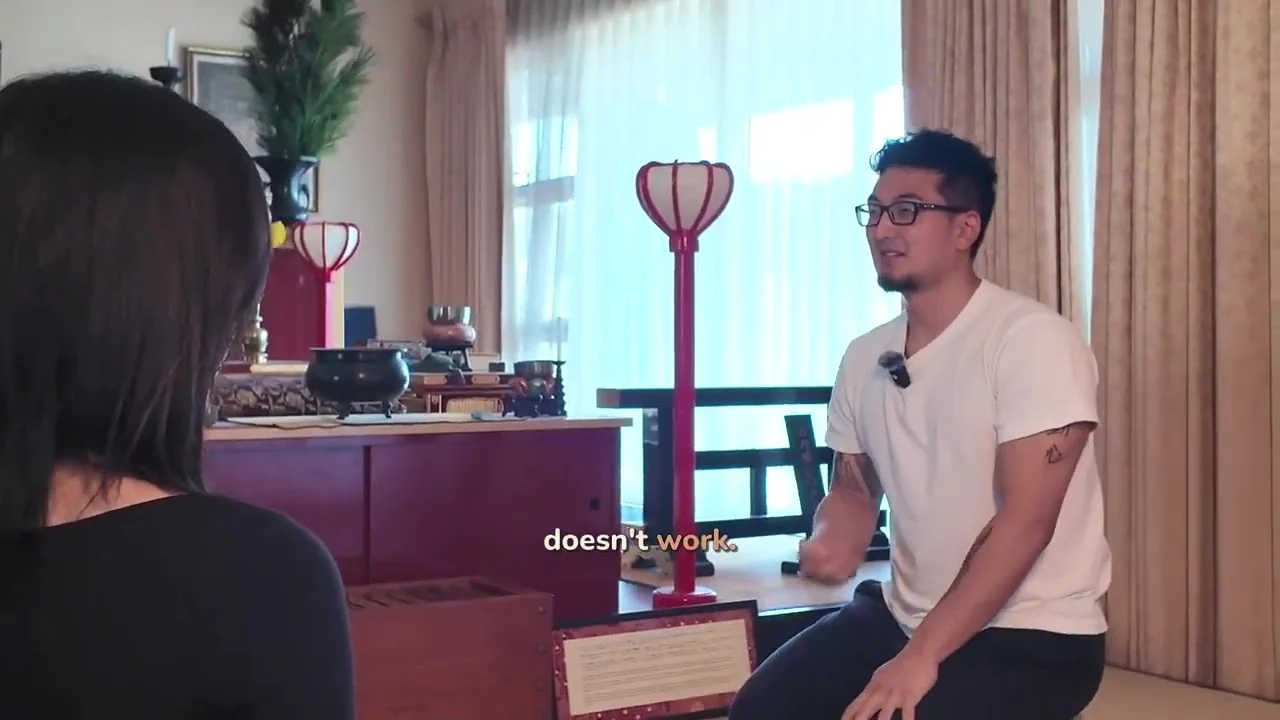
The interview is spoken in English. YouTube’s available captions can be selected in the player.
The YouTube player loads only when you choose to watch.
Watch on YouTubeWhat I hope Seizanji can offer
I hope Seizanji can be a place where you feel welcome to learn about Buddhism, get to know the people around you, and pay attention to what is happening in your own life. Some people come because life hurts. Some come because they are curious. Both are welcome.
The first step is small. Message me before visiting, tell me what has brought you here, and ask what may suit. We can start with a conversation about what you would like to explore.
Speak with Harrison